
Trauma-Informed Recovery Coaching

Coaching offers practical support for navigating and integrating recovery into your life with a focus on taking action. I partner with you and any of your other providers to empower you to take courageous action in the toughest moments and work towards your goals. Our work together is always individualized and adapted to you as a person and your recovery needs. I work with clients online worldwide and can offer in-person support in central Pennsylvania.
Coaching provides practical, hands-on support including:
Building momentum in recovery & staying committed
Help changing behaviors that are no longer aligned with what you want for yourself
Compassionate accountability for recovery goals
Neural rewiring: shifting your relationship with food, movement, and your body
Divesting from our disordered culture in daily life (because it’s everywhere!)
Navigating ED triggers
Support with meal/food challenges, cooking, and shopping
Practicing new skills and strategies in daily life
Creating routines that support recovery and increase self-trust
Rebuilding your identity outside of an ED
Mentorship-style relationship rooted in lived experience to feel more encouraged and less isolated
Between-session texting to assist with integrating recovery into daily life
Please note: Coaching is not a replacement for therapy or clinical treatment. If you are actively struggling with an eating disorder, I do require that you also be working with a therapist or dietitian. If you need help finding a therapist or dietitian, I may be able to provide referrals.
My Approach
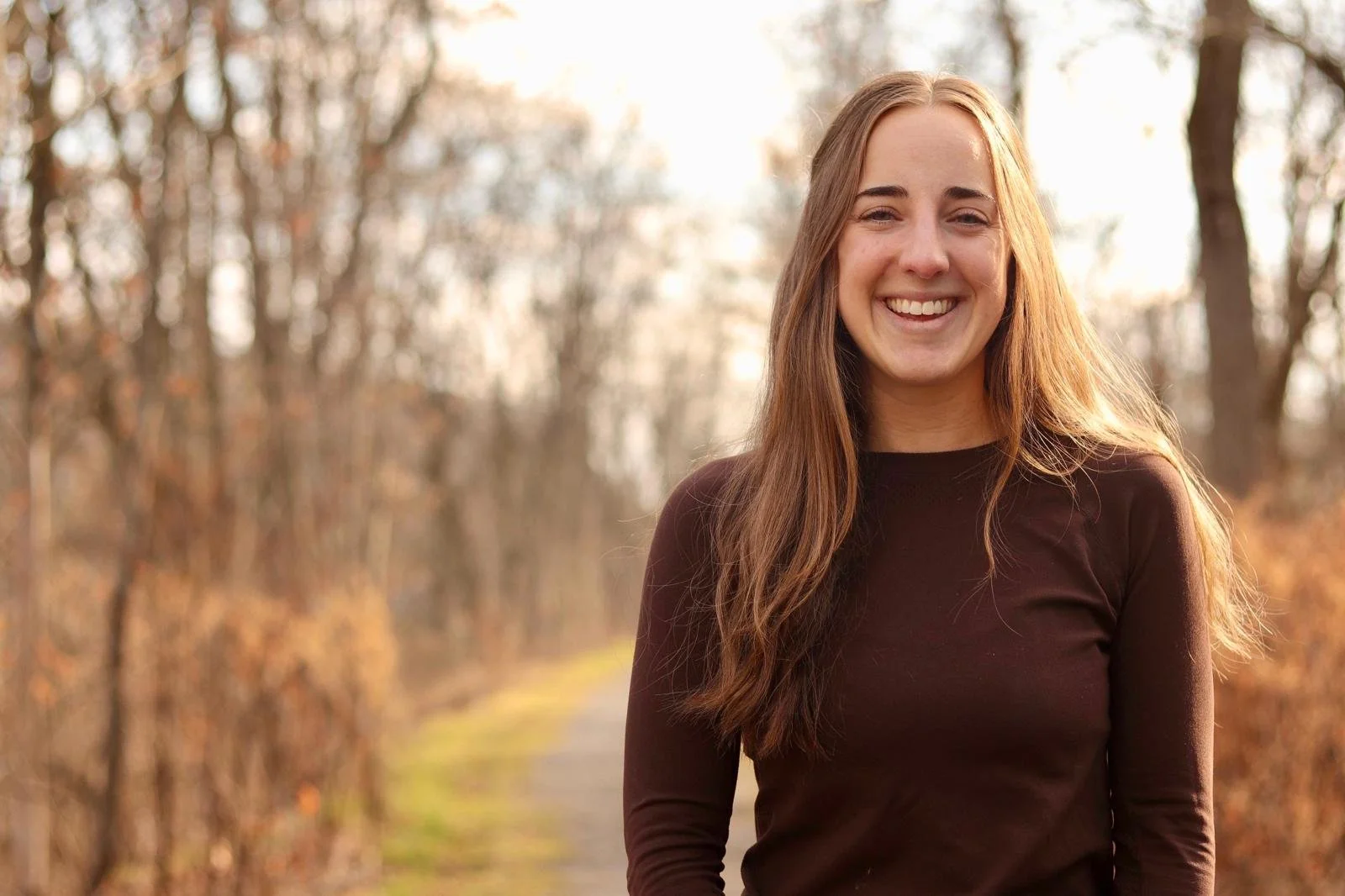
My approach is non-pathologizing, collaborative, and inclusive. I believe you are the expert of your experience and approach every session with a willingness to listen. It’s okay to feel unsure if you are ready to recover and ambivalent. We hold space for ambivalence, normalize it, and empower you to take steps at a pace that feels right for you. I’m skilled at adjusting coaching to meet each person’s unique needs, knowing that no two people are the same.
Eating disorders are multi-determined, biopsychosocial disorders which require a multi-pronged approach for healing. I work from an anti-diet, Health at Every Size, and weight-inclusive framework and believe in state not weight when it comes to recovery. I factor in the role that falling into an energy deficit—intentionally or unintentionally—plays in developing and sustaining an ED including the latest research suggesting that EDs are metabo-psychiatric disorders.
I believe we must factor in the societal messages, systems, and inequities that contribute to eating disorders and add barriers to recovery. I incorporate harm reduction and believe we are all worthy of compassion and support regardless of where we are in our journey. I’ll always hold hope for the possibility of full and meaningful recovery while understanding that we are all complex humans living in a complex world.
Services

Ongoing Recovery Support
1:1 coaching sessions with between-session messaging for extra encouragement, reflection, and feedback when challenges arise. We’ll meet consistently to talk through what’s coming up in your recovery and find ways to move forward. This option is for you if you want steady, consistent support as you work on recovery in real life not just during our calls.

Recovery Support Sessions
1:1 coaching sessions to help you build self-trust, recovery momentum, and find tools to support lasting change. This option is a good fit if you don’t need between-session messaging and feel comfortable practicing what we discuss on your own knowing that we will check in next session.

Supported Eating
1:1 eating coaching sessions to help you build consistency and compassionately challenge fears. I’ll join you while you eat, and we’ll move through it together. These sessions are there to help you stay accountable in a way that feels supportive.
FAQ
-
Coaching is action-oriented—providing present- and future-focused, practical support to help you clarify your goals and move towards them. It focuses on the HOW of recovery.
Coaching helps bridge the gap between recovery and real life—creating sustainable change.
Coaches do not diagnose and treat mental health conditions, process underlying trauma, or explore patterns from the past like you would in therapy. I point clients to therapy for trauma in need of deeper processing and healing.Therapists often will use coaching techniques in their practice, but coaches have a much narrower scope of practice than therapists.
-
Coaching is meant for those in ED recovery wanting day-to-day support for help practicing recovery in real life.
Coaching is a good fit for those who:consider themselves actively in recovery
already have a therapist or dietitian and are looking for ways to strengthen commitment and accountability between their sessions
want a non-clinical relationship rooted in lived experience and peer support
are medically stable and not in acute crisis
want hands-on support with meals/snacks, food challenges, grocery shopping, cooking, clothing shopping
need help implementing new skills/strategies/routines for recovery, body image work, and divesting from diet culture in daily life
-
Each session is individualized for you and your unique needs!
Coaching Sessions Could Include:Goal clarification and setting
Putting goals you are working on with the rest of your team into action
Identifying and anticipating obstacles and barriers
Game planning: brainstorming practical and individualized strategies to work with your obstacles and barriers
“Reviewing the tapes”: what worked, what didn’t, where are you getting stuck, how to adapt the next time
Revitalizing and strengthening commitment to recovery
Compassionate accountability for tough moments to resist behaviors that move you away from your goals
Help practicing and implementing skills and strategies in daily life
Peer support and normalizing the recovery process (I have lived experience with an ED and recovery)
Real time meal, snack, and food challenges support
Real time support with things like grocery shopping and clothes shopping
-
I take active steps to coach in a way that reduces the likelihood of re-traumatization because eating disorders are interconnected with individual, collective, and historical trauma.
Being trauma-informed does not mean we dive into the past; it means I create an environment that promotes healing and reduces the risk of more harm.
The trauma-informed principles of Safety; Trust and Transparency; Peer Support; Collaboration and Mutuality, Empowerment, Voice and Choice; Cultural, Historical, and Gender Issues guides my approachCitations
Institute on Trauma and Trauma-Informed Care. (n.d). What is Trauma-Informed Care? University at Buffalo.https://socialwork.buffalo.edu/social-research/institutes-centers/institute-on-trauma-and-trauma-informed-care/what-is-trauma-informed-care.html
Substance Abuse and Mental Health Services Administration. (2014). SAMHSA's concept of trauma and guidance for a trauma-informed approach. https://ncsacw.acf.hhs.gov/userfiles/files/SAMHSA_Trauma.pdf
-
I believe full recovery from an eating disorder is a possibility while also understanding we are complex humans living in a complex world. I do always hold hope for the possibility of full recovery for everyone.
You can read more about my coaching perspective HERE.
-
Yes, I believe reducing the negative consequences of eating disorder behaviors is ethical care. I see harm reduction as a compassionate approach aimed to reduce suffering and increase someone’s quality of life while living with an eating disorder.
I have learned so much in this area from Gloria Lucas of Nalgona Positivity Pride. -
Meeting frequency depends on your needs and goals for coaching. I recommend meeting at least weekly or biweekly.
1:1 coaching sessions are 50-minutes long and can be broken up into two 25-minute sessions. -
I offer a free 20-minute call to see if working together could be a good fit and give you a chance to ask any questions about my approach.
If it’s a good fit, then we schedule our first session, and I send over a few forms to fill out and sign beforehand.
Schedule a Free Initial Call
Have questions about coaching and want to talk about working together? I offer a free 20-minute call to see if it feels like the right fit. I believe that finding supports that are right for you is so important for recovery. I work with clients online worldwide and can offer in-person support in central Pennsylvania.
Please fill out the form below, and I will be in touch!